Transceivers
Transceivers provide the essential interface for transmitting and receiving data across copper and fiber optic network connections. Used in switches, routers, servers, storage systems, and other networking equipment, transceivers support a wide range of Ethernet and data communication applications, including high-speed connections in enterprise networks, telecommunications systems, and data centers.
Top rated products


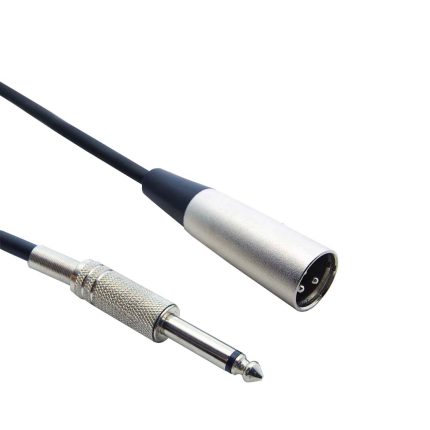


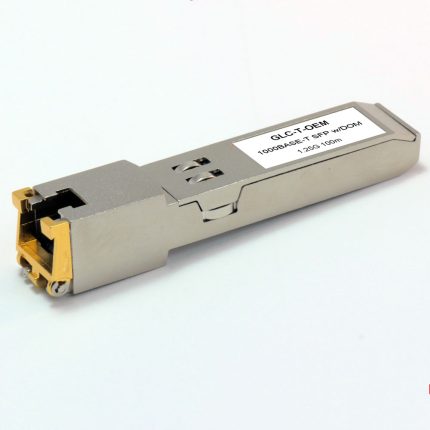

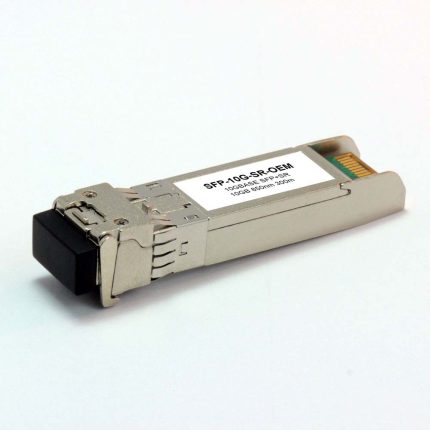
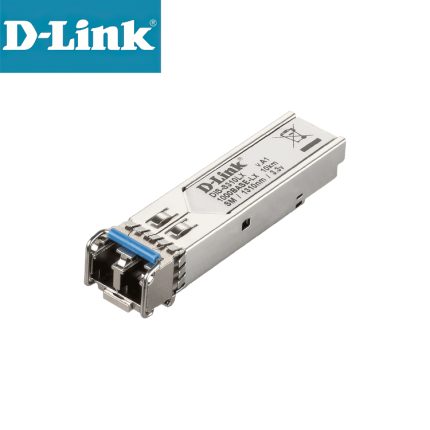
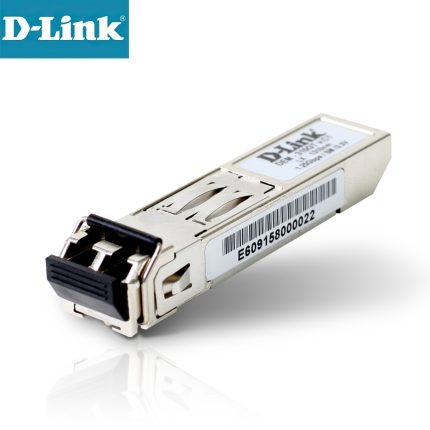
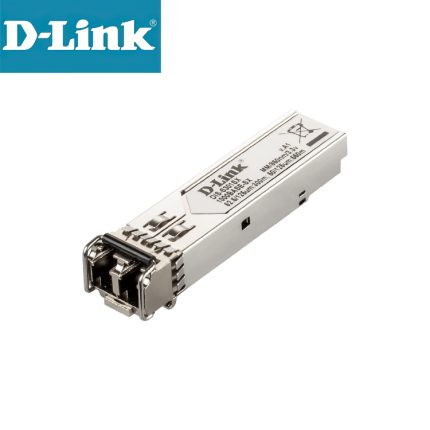
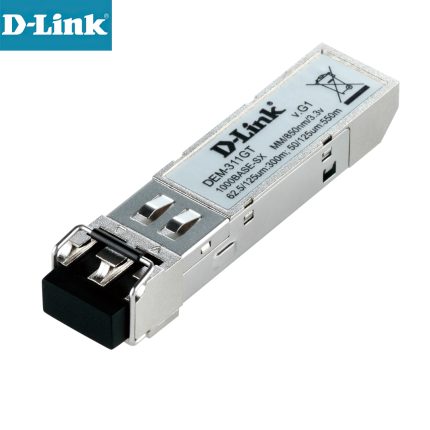

Network transceivers convert electrical signals from networking equipment into optical or electrical signals suitable for transmission over the connected medium. Fiber optic transceivers such as SFP, SFP+, SFP28, QSFP, QSFP28, QSFP-DD, and other form factors support different data rates, distances, wavelengths, and fiber types. Copper transceivers and related modules can provide connectivity over twisted-pair Ethernet cabling. These interchangeable modules allow network operators to customize equipment connections without replacing entire switches or routers, making them useful for network expansion, upgrades, and infrastructure changes.
When selecting a transceiver, compatibility with the host equipment, network speed, connector type, transmission distance, fiber type, wavelength, and operating environment should be considered. Transceivers are widely deployed in data centers, enterprise networks, telecommunications facilities, cloud infrastructure, and high-performance computing environments. Whether adding fiber connectivity to a network switch, upgrading to higher-speed Ethernet, extending a network over long distances, or connecting servers and storage systems, the right transceiver provides a flexible and scalable solution for modern network infrastructure.