Serial Cables
Serial cables provide reliable point-to-point communication between computers, networking equipment, industrial devices, control systems, and legacy hardware. Designed for data transmission using serial communication standards, these cables remain widely used in industrial automation, telecommunications, network management, point-of-sale systems, laboratory equipment, and specialized computing applications.
Top rated products



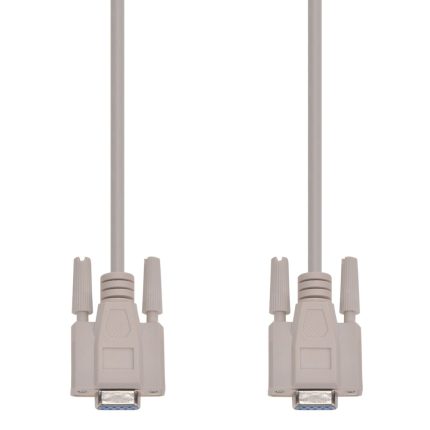

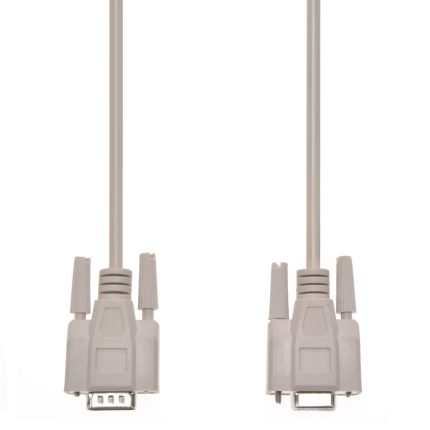
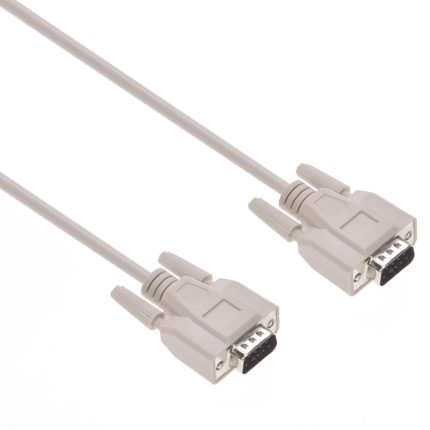

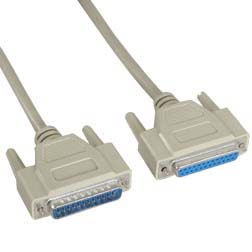
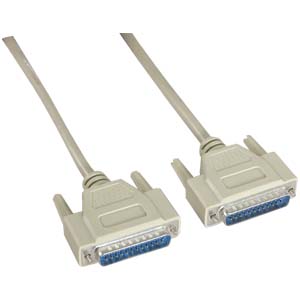
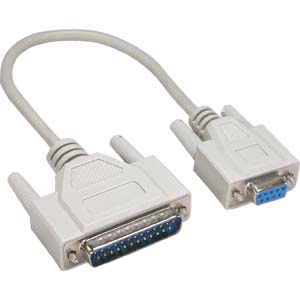
Serial cables are commonly used to connect devices that communicate through RS-232, RS-422, RS-485, and other serial communication protocols. They are frequently deployed for console access to routers and switches, industrial control systems, programmable logic controllers (PLCs), barcode scanners, modems, scientific instruments, security systems, and manufacturing equipment. While many modern systems utilize Ethernet or USB connectivity, serial communication continues to play an important role in equipment configuration, device management, machine-to-machine communications, and legacy system integration.
Available in a variety of connector types, lengths, shielding configurations, and wiring formats, serial cables can be selected to meet the requirements of different applications and equipment interfaces. Common connector styles include DB9, DB25, RJ45 console, USB-to-serial, and other specialized serial interfaces. Whether configuring network hardware, connecting industrial automation equipment, supporting legacy computer systems, or integrating specialized electronic devices, serial cables provide dependable communication links for a wide range of professional, commercial, and industrial environments.